Tree Risk Assessment: Protecting Your Property in Napa Valley
Trees enhance the beauty and value of your property — but when they develop structural weaknesses or health issues, they can also pose serious hazards. A tree risk assessment helps homeowners identify potential dangers before they cause damage to structures, vehicles, landscaping, or — worst of all — people.
At Mike’s Tree Service, we provide thorough tree risk evaluations backed by arborist expertise to help homeowners in Napa Valley and surrounding areas protect their property and peace of mind.
What Is a Tree Risk Assessment?
A tree risk assessment is a professional evaluation of a tree to determine how likely it is to fail (partially or completely) and what the consequences might be if it does. This goes beyond simple pruning or trimming: it’s a systematic process focused on safety and structural health.
A thorough assessment considers:
- Tree species and growth patterns
- Trunk condition and structural integrity
- Canopy structure and branch attachments
- Soil and root stability
- Signs of decay or disease
- Proximity to structures and high-traffic areas
Why Tree Risk Matters for Your Property
Trees often show problems slowly — and subtle signs can be missed if you’re not trained to spot them. Risk that goes undetected can result in:
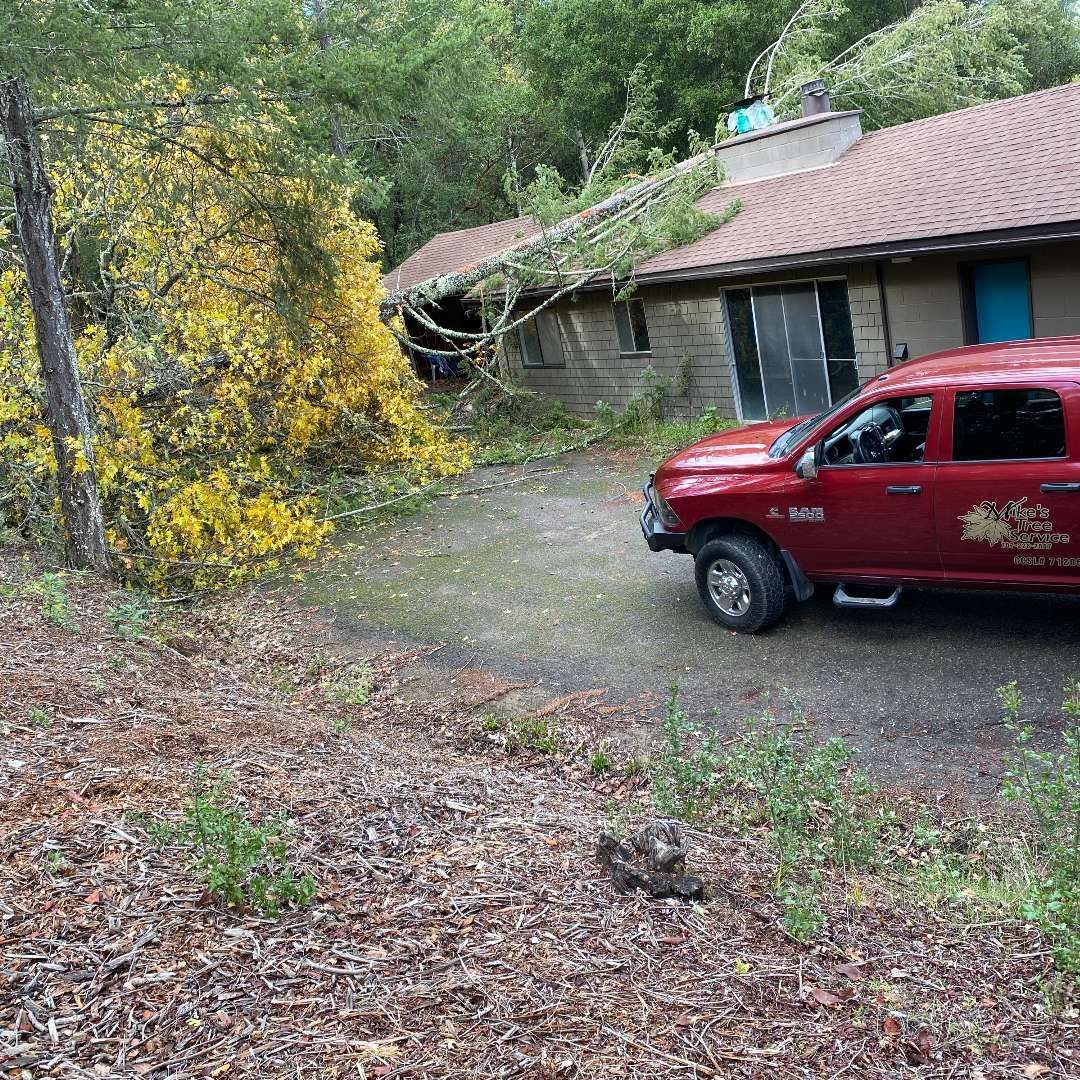
- Fallen limbs damaging roofs, fences, or vehicles
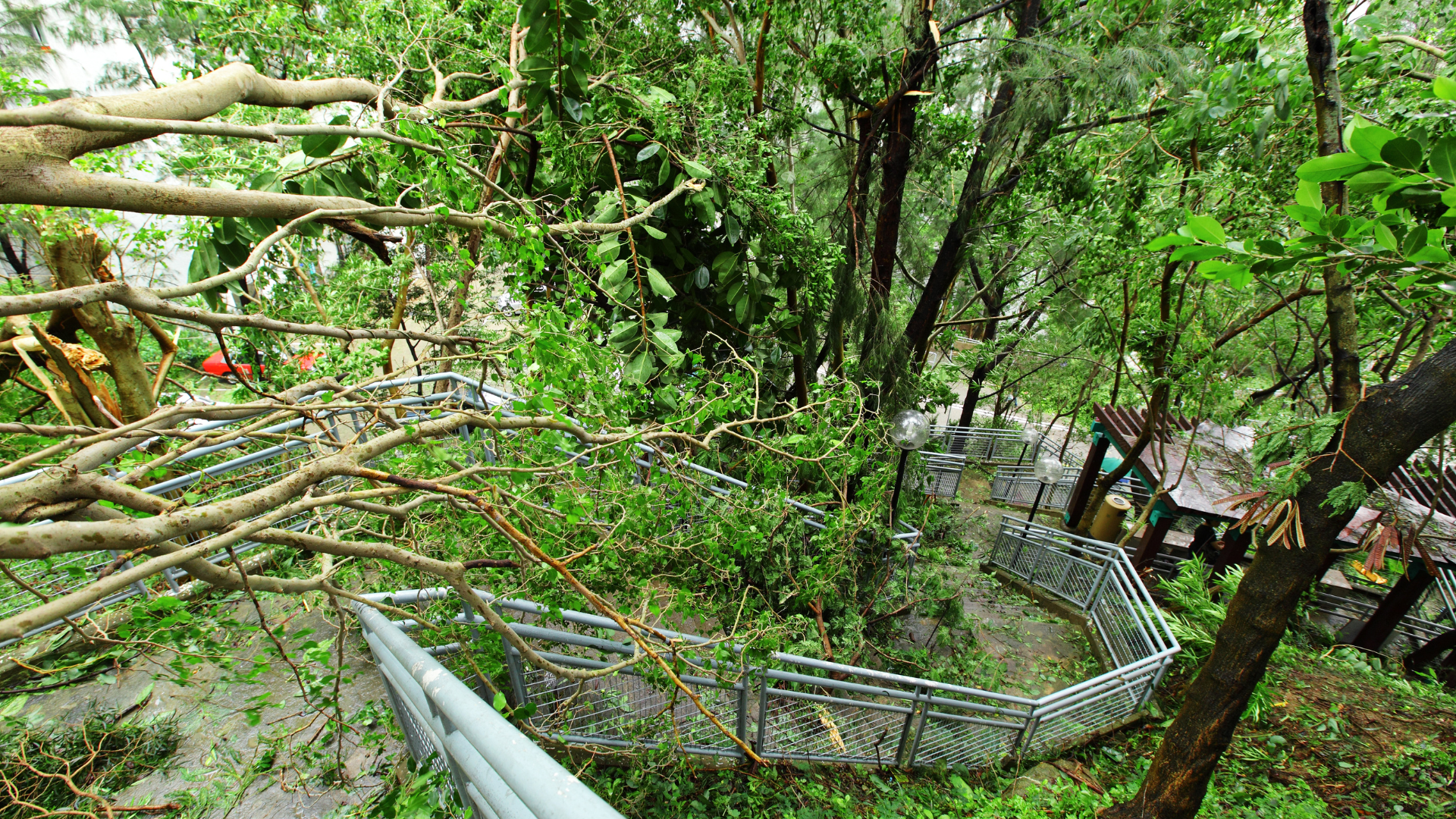
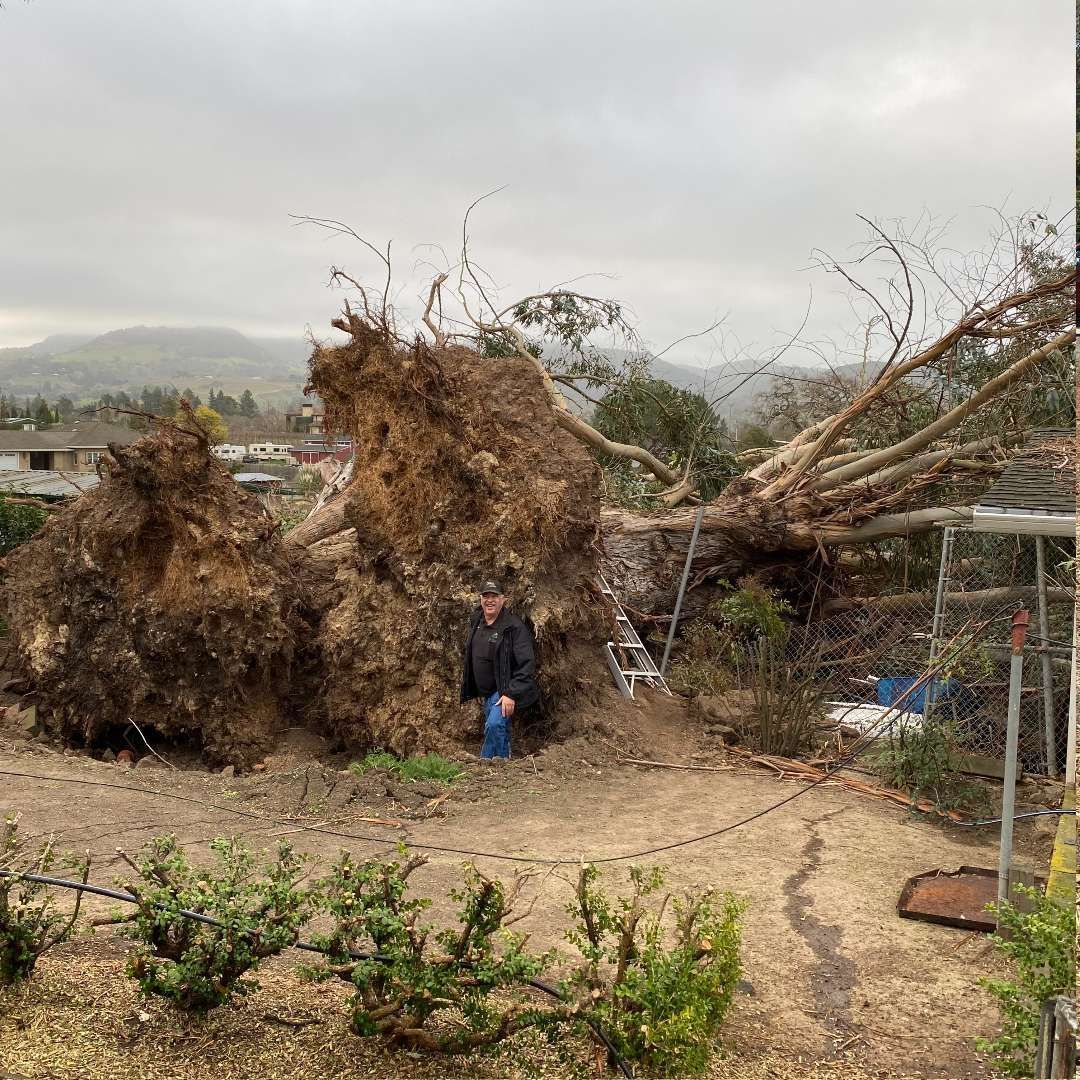
- Tree failure during wind or storm events
- Root instability affecting sidewalks or driveways
- Increased liability for property owners
A proactive risk assessment identifies hazards early and allows homeowners to take preventive action.
Key Signs It’s Time for a Tree Risk Assessment
Watch for these indicators:
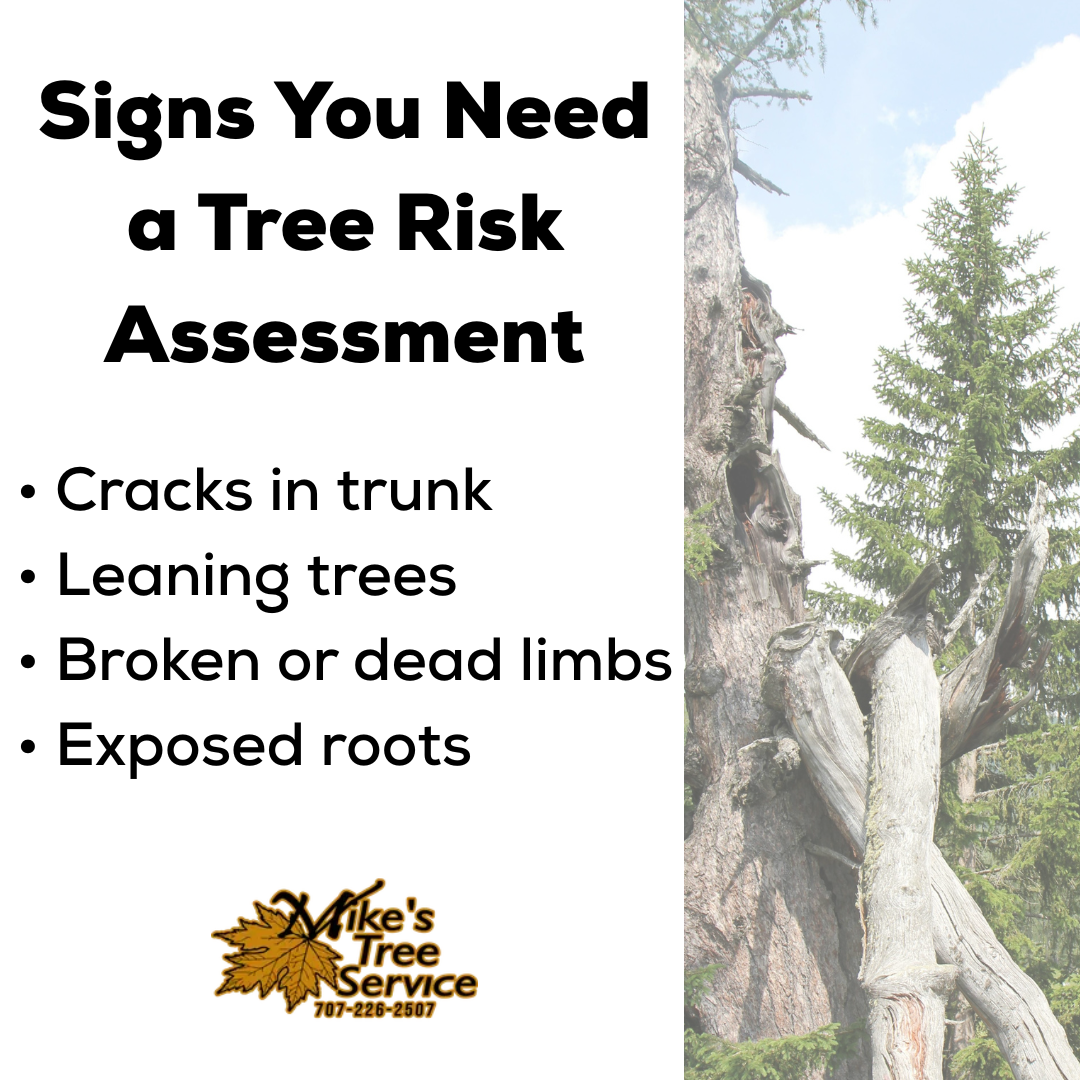
- Cracks in the trunk or around major limbs
- Dead or dying branches
- Cankers or fungal fruiting bodies on bark
- Leaning trees with root exposure
- Sudden canopy thinning
- Trees near structures, play areas, or driveways
Professional evaluation is especially important when trees are near homes, power lines, or areas where people frequently gather.
What Happens During a Professional Tree Risk Evaluation
Our certified arborists perform a step-by-step review of your trees that includes:
- Visual Inspection: Observing trunk, limbs, and canopy
- Structural Analysis: Assessing branch attachments and weakness
- Root Zone Evaluation: Checking soil conditions and root health
- Hazard Rating: Determining likelihood and severity of failure
- Action Plan: Providing recommendations for mitigation
The outcome is a clear, individualized plan that prioritizes safety and preserves tree health where possible.
Tree Risk Mitigation Strategies
Depending on the assessment, mitigation can include:
- Targeted pruning to reduce weight and wind resistance
- Cabling and bracing to support weakened structures
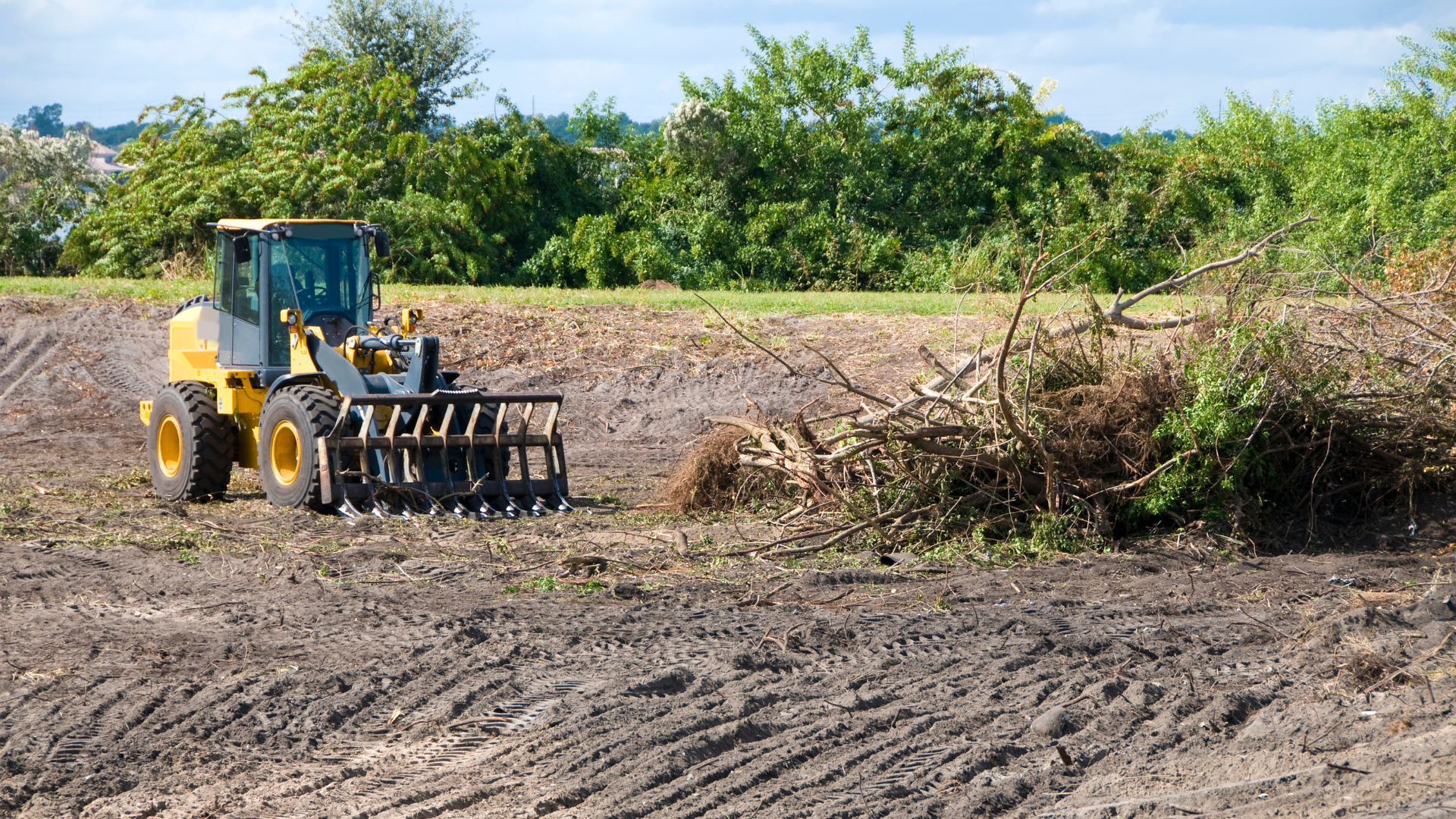
- Removal of hazardous limbs or entire trees
- Soil and root improvement
- Increased inspection frequency
These strategies protect your landscape while minimizing unnecessary removals.
Integrating Risk Assessment With Regular Tree Care
Tree risk assessment isn’t a one-time task — it’s best integrated into your ongoing tree care and maintenance schedule. Combining risk evaluations with pruning, health checks, fertilization, and seasonal assessments helps ensure long-term safety and vitality.
Frequently Asked Questions About Tree Risk Assessments
What is a tree risk assessment?
A tree risk assessment is a professional evaluation performed by a certified arborist to determine whether a tree poses a safety hazard to people, property, or surrounding structures. It identifies structural weaknesses, disease, decay, and environmental risks that could lead to branch failure or tree collapse.
How often should I have my trees inspected?
Most homeowners should schedule a tree risk assessment every one to three years. Trees near homes, driveways, play areas, or power lines should be inspected more frequently, especially after storms or high-wind events common in Napa Valley.
When should I schedule a tree risk assessment?
The best times to schedule a tree risk assessment are:
After storms or heavy winds
When a tree shows signs of decline or damage
Before construction or landscaping projects
If a tree is leaning, cracking, or losing large branches
Proactive inspections help prevent emergencies and costly property damage.
What are the warning signs of a hazardous tree?
Common signs that a tree may be unsafe include:
Cracks or splits in the trunk
Dead or hanging branches
Leaning trees or exposed roots
Mushrooms or fungal growth on the trunk
Sudden thinning of the canopy
If you notice any of these, it’s best to schedule a professional evaluation as soon as possible.
Is a tree risk assessment required by law?
In most residential cases, tree risk assessments are not legally required. However, property owners can be held liable if a hazardous tree causes damage and there was prior evidence of risk. Regular inspections help protect homeowners from liability and insurance disputes.
Can a tree risk assessment prevent tree removal?
Yes. Many trees can be preserved with proper pruning, cabling, bracing, or targeted treatments. A professional assessment helps determine whether a tree can be stabilized safely or if removal is the best option.
Who should perform a tree risk assessment?
Tree risk assessments should always be performed by a certified arborist with training in tree biology, structural evaluation, and hazard mitigation. At Mike’s Tree Service, our experienced arborists provide professional, unbiased evaluations focused on safety and long-term tree health.
How long does a tree risk assessment take?
Most residential tree risk assessments take between 30 minutes and one hour, depending on the number of trees and site conditions. Larger properties or high-risk trees may require more detailed inspections.
Does homeowner’s insurance cover tree damage?
In many cases, insurance may cover damage caused by fallen trees or limbs during storms. However, insurance companies may deny claims if hazardous trees were neglected. A professional tree risk assessment provides documentation that supports insurance claims and shows responsible property maintenance.
How do I schedule a tree risk assessment in Napa Valley?
Scheduling is simple. Contact Mike’s Tree Service to request a professional tree risk evaluation with one of our certified arborists. We serve homeowners throughout Napa Valley and surrounding areas with expert, safety-focused tree care.
Final Thoughts
Investing in a tree risk assessment is about more than preserving trees — it’s about protecting your property, family, and neighbors. At Mike’s Tree Service, we provide trusted, professional evaluations that help homeowners make smart, informed decisions about their landscape.
Ready to protect your property? Contact us today to schedule a tree risk assessment with an experienced arborist.