Controlled Burns vs Mechanical Clearing: What California Land Owners Need to Know
Property owners across Napa, Sonoma, Kenwood, and Glen Ellen who need to reduce the fuel load on their land eventually run into the same two options. Burn it under controlled conditions, or clear it mechanically with equipment and crews.
Both approaches are legitimate. Both are used by CAL FIRE, the USDA Forest Service, and land managers throughout Northern California. And both reduce the vegetation that carries wildfire across a property. But they are very different tools with very different requirements, costs, timelines, and risks, and the right choice for a 5-acre residential parcel outside Napa is usually not the same as the right choice for a 500-acre ranch.
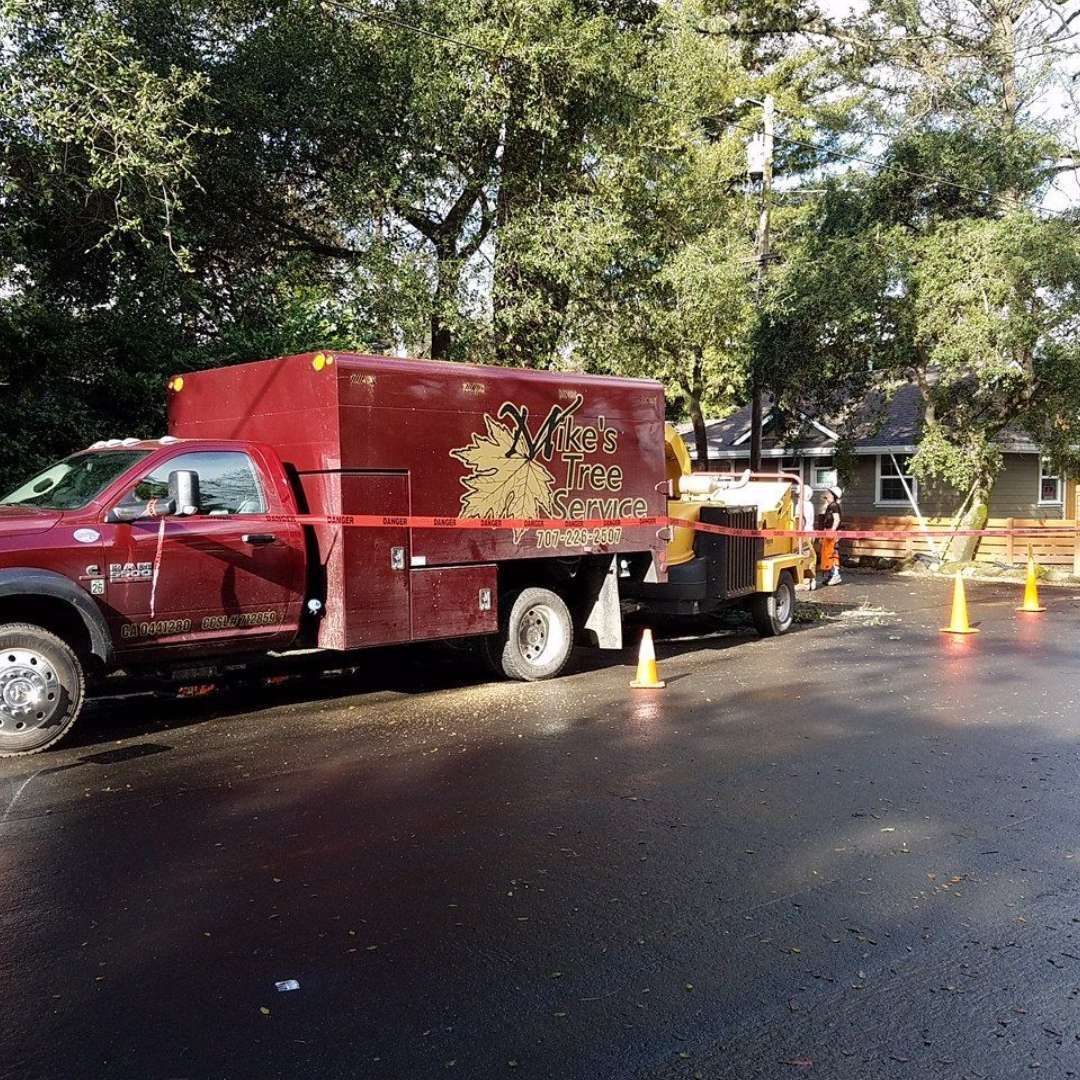
Mike's Tree Service has provided tree care and vegetation management across Napa Valley for over fifty years. The team fields this question regularly from property owners planning defensible space work, estate management, and pre-fire-season fuel reduction. This is the honest comparison, including where prescribed fire genuinely makes sense and where mechanical clearing is the more practical answer.

What Each Approach Actually Is
A controlled burn, also called a prescribed burn or prescribed fire, is the planned ignition of fire under specific weather and fuel conditions to consume brush, dead wood, and surface vegetation across a defined area. Fire is applied deliberately and managed by trained personnel to accomplish fuel reduction, and in ecological contexts, to restore the periodic fire cycle that many California landscapes historically depended on.
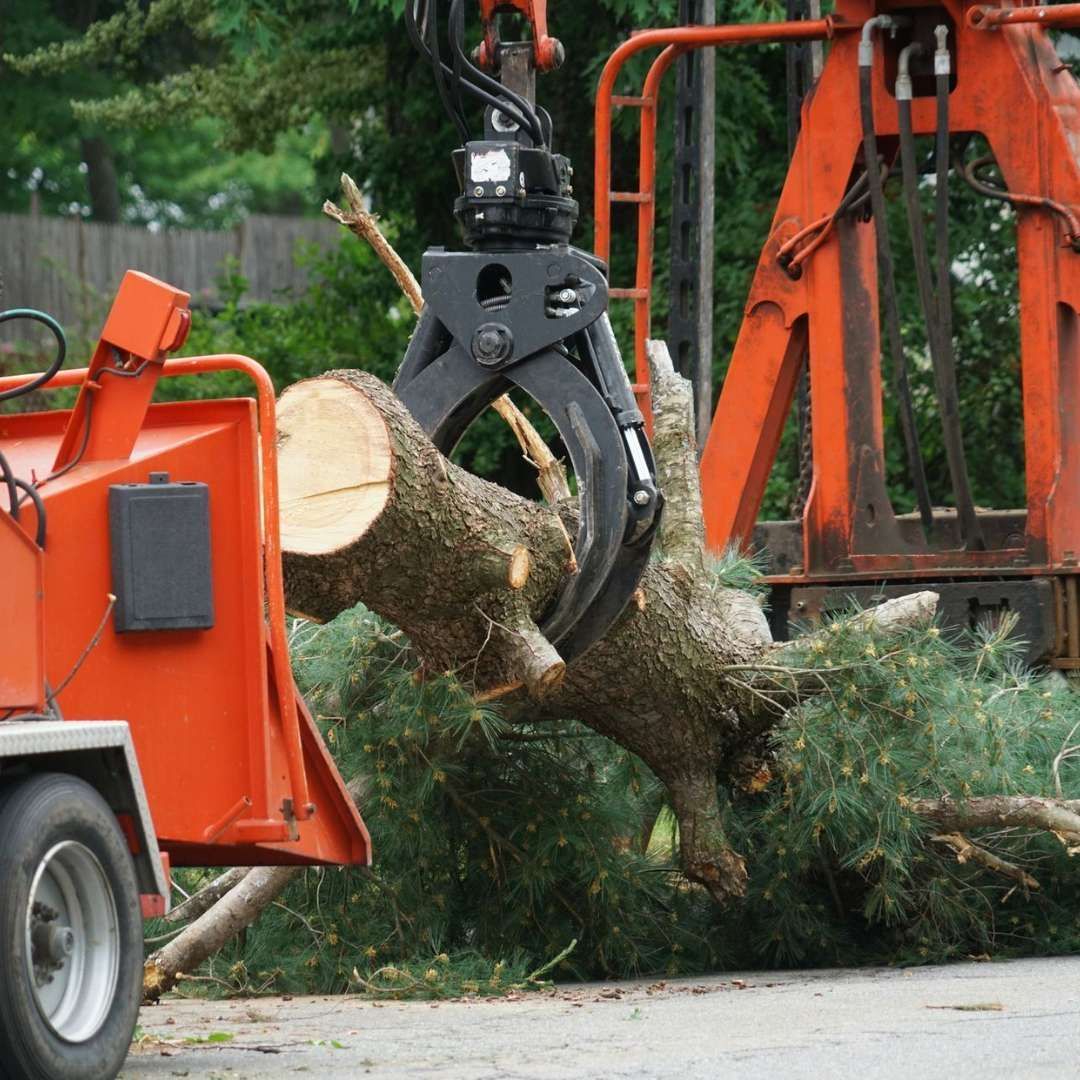
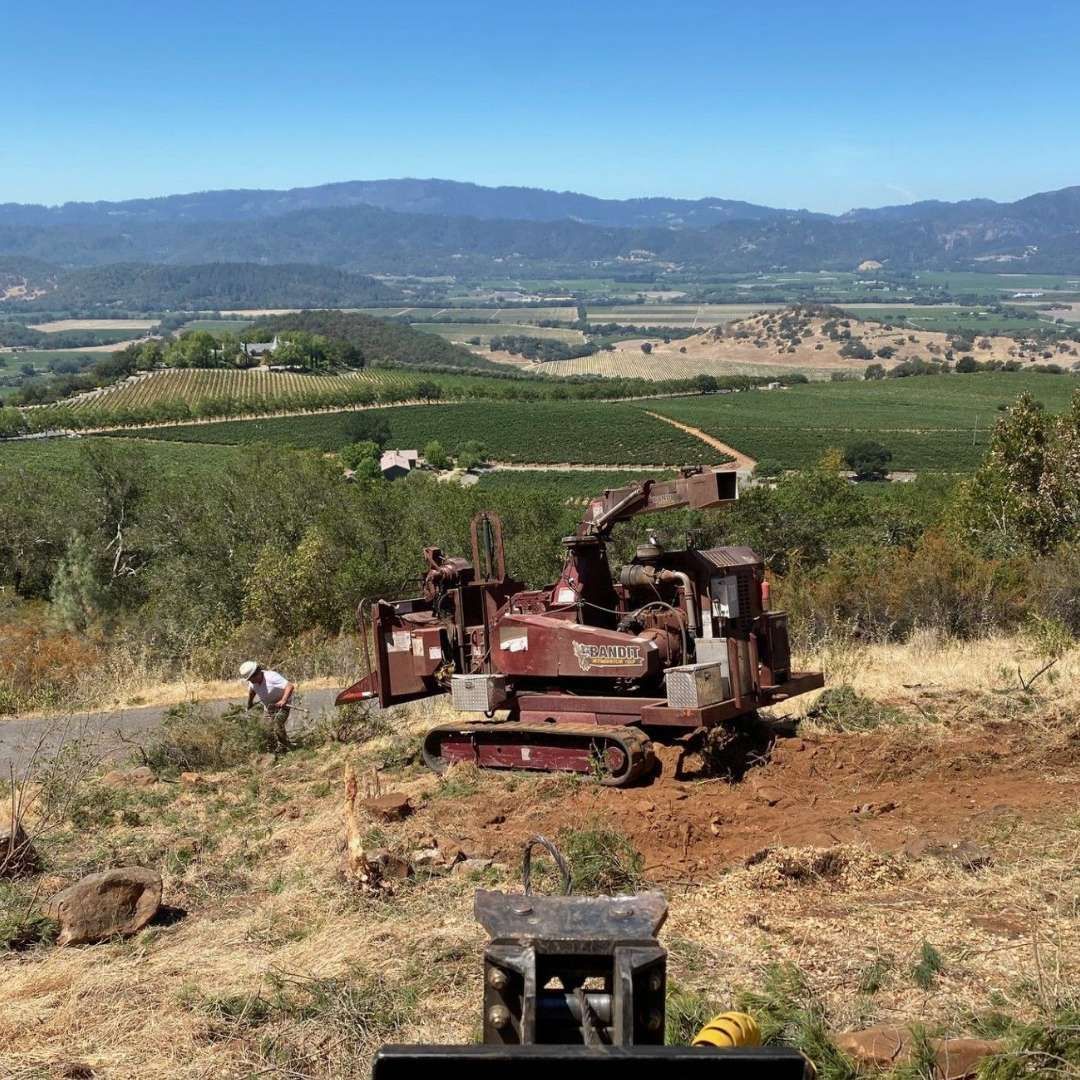
Mechanical clearing removes vegetation using equipment and crews rather than fire. On Napa and Sonoma County properties, this typically includes:
- Brush cutting and mastication of overgrown understory
- Selective tree removal to break up fuel continuity
- Limbing and ladder fuel removal on retained trees
- Chipping and hauling of cleared material
- Targeted clearing along driveways, structures, and property lines
The USDA Forest Service uses both tools and describes mechanical treatment as the valuable option in places and conditions where prescribed burning is too difficult to conduct safely. That framing is the honest starting point for a private landowner: both work, and the conditions on the specific property determine which one is practical.
What the Research Says About Effectiveness
Neither approach is a compromise on results. The USDA Forest Service's national synthesis on fuel-reduction treatments found that both prescribed fire and its mechanical surrogates are generally successful in meeting fuel-reduction objectives, leaving treated stands more resilient to high-intensity wildfire, typically with few unintended consequences.
The differences the research documents are practical, not about whether the treatment works:
| Factor | Controlled burn | Mechanical clearing |
|---|---|---|
| Operating window | Narrow weather windows only | Nearly year-round |
| Precision | Patchy across the landscape | Targeted, specific amounts removed |
| Risk profile | Escape and smoke risk | Minimal risk to people and structures |
| Cost per acre at scale | Lower on large acreage | Higher on large acreage |
| Small parcel practicality | Rarely practical | Well suited |
| Soil and root impact | Heat effects possible | Minimal with proper equipment |
The USDA Climate Hubs assessment is direct on the operational distinction: mechanical treatments are safe, effective, and consistent, can be implemented nearly year-round with minimal risk, and can be targeted to remove a specific amount of fuel. Prescribed fire operates only within a relatively narrow range of weather conditions and produces patchier results across the treated area.
For California specifically,
USDA Forest Service research on fuel treatments and wildfire costs found that mechanical fuel treatments reduced wildfire suppression costs in California, and both treatment types reduced property damage. Fuel reduction on private land is not just an individual property benefit. It changes how fire behaves when it arrives.
What a Controlled Burn Requires in California
This is where the comparison becomes very real for a private landowner in Napa or Sonoma County. Prescribed fire in California operates inside a substantial regulatory framework, and for good reason.
The requirements a private landowner faces before any controlled burn:
- A burn permit from CAL FIRE for lands within its jurisdiction, with conditions the permitting officer may attach, including pre-burn notifications and weather restrictions. Permits are available through CAL FIRE's burn permit system.
- Air quality approval from the local air district, which controls the daily burn decision based on meteorology and smoke dispersion. Air quality permits are required year-round in California, and larger projects may require a formal smoke management plan.
- A written burn plan covering objectives, weather parameters, contingency resources, and containment lines.
- Trained personnel and equipment on site for ignition, holding, and mop-up. California now operates a state-certified burn boss program for exactly this reason.
- The right weather, on the right day. Even with every approval in place, the burn happens only when conditions fall inside the prescription. Windows can be missed for an entire season.
The UC Agriculture and Natural Resources Fire Network documents that California has strengthened liability protections for landowners conducting permitted burns responsibly. Recent legislation moved the liability standard for escaped prescribed fire suppression costs to gross negligence, meaning a landowner following best practices under a valid permit is substantially protected. The CAL FIRE Vegetation Management Program also allows private landowners to contract directly with CAL FIRE for prescribed fire projects on qualifying lands.
The honest summary: controlled burning on private land in California is achievable, increasingly supported by state policy, and genuinely valuable at landscape scale.
It is also a serious undertaking that requires permits, planning, trained personnel, and patience with weather windows. For most residential and estate parcels in Napa Valley, that overhead exceeds what the project justifies.
Where Mechanical Clearing Fits on Napa and Sonoma County Properties
For the majority of private properties Mike's Tree Service works on across Napa, Kenwood, Glen Ellen, and Sonoma, mechanical clearing is the practical tool, and the reasons are specific to how these properties are situated.
Parcel size and proximity to structures. Most residential and estate properties in Napa Valley are measured in acres, not hundreds of acres. Prescribed fire's economics improve with scale. On a 3-acre parcel with a home, outbuildings, a neighbor's fence line, and a vineyard within sight, fire is rarely the right tool. Equipment and crews are.
Precision around what stays. A defensible space project is not about removing everything. It is about removing the right things: the ladder fuels under mature oaks, the dead material in the understory, the brush connecting the canopy to the ground, while preserving the mature trees, the screening vegetation, and the landscape character that gives the property its value. Fire does not make those distinctions. A crew does. This selectivity is central to how Mike's Tree Service approaches every clearing project, because preservation of healthy mature trees is always the starting position.
Timing flexibility. Mechanical work proceeds through most of the year. A landowner who decides in May that fuel reduction needs to happen before fire season can have mechanical work completed in weeks. A prescribed burn decided on in May is, realistically, a project for a future burn window that may or may not materialize before the season arrives.
Smoke and neighbors. Napa and Sonoma County properties sit close together, near vineyards, wineries, and communities with fresh memories of wildfire smoke. Even a well-run prescribed burn produces smoke that affects neighbors and requires air district sign-off on the specific day. Mechanical clearing produces chips and log decks, not smoke.
Compliance with defensible space requirements. California's defensible space rules for the 100 feet around structures are about specific vegetation conditions: clearance distances, ladder fuel removal, and crown spacing. Mechanical work produces exactly those specified conditions, verifiably, on the timeline the property owner controls.

The Combined Approach the Research Actually Recommends
For landowners managing significant acreage in Northern California, the most complete answer is not either-or. USDA Forest Service research consistently shows that integrating mechanical treatments with fire is the most effective strategy for reducing fuel hazard at landscape scale, and Forest Service practice frequently sequences the two: mechanical treatment first, prescribed fire after.
The sequencing logic matters for any landowner considering fire down the road:
- Mechanical work first reduces the fuel load to a level where a subsequent burn is lower intensity, safer, and easier to hold
- Thinning and ladder fuel removal before fire protects the mature trees a landowner wants to keep
- The cleared condition makes containment lines practical to establish and defend
- A property mechanically treated now is a better prescribed fire candidate later, if the landowner chooses that path
For a large Sonoma County ranch owner who wants prescribed fire as part of long-term land management, the practical first step is still mechanical: reduce the load, protect the keepers, and prepare the ground. Mike's Tree Service handles that mechanical phase, and the work stands on its own as fuel reduction whether or not fire ever follows.
What a Mechanical Clearing Project Looks Like With Mike's Tree Service
Every clearing project on a Napa or Sonoma County property starts with a walkthrough, because every property has different goals and different trees worth protecting.
The typical project sequence:
| Phase | What happens |
|---|---|
| Property walkthrough | Goals defined, keep-trees identified, scope mapped |
| Written scope and estimate | Specific areas, specific work, clear pricing |
| Ladder fuel and understory work | Brush, deadwood, and low limbs removed |
| Selective removals | Dead, hazardous, or fuel-continuity trees taken out |
| Material processing | Chipping on site or haul-off, per the plan |
| Final walkthrough | Completed work reviewed against the scope |
The evaluation always begins from a preservation standpoint. Mature oaks and healthy native trees are assets to a Napa Valley property, ecologically and financially, and the goal of fuel reduction work is to make those trees safer and healthier, not to clear-cut around them. Trees are removed when they are dead, hazardous, or genuinely necessary to break fuel continuity, and each of those calls is explained to the property owner before any cutting happens.
For properties where the fuel concern centers on the trees themselves, the
tree trimming service covers ladder fuel removal and canopy work on retained trees, and the
tree removal service covers the selective removals that clearing projects sometimes require. Property owners unsure where their land stands can start with a
tree health evaluation before committing to any scope.
Frequently Asked Questions
Can I legally do a controlled burn on my own property in Napa or Sonoma County?
Yes, with the required approvals. A private landowner needs a burn permit from CAL FIRE for lands in its jurisdiction, air quality approval from the local air district, a burn plan, and appropriate personnel and equipment on site. The burn can only proceed on days when weather conditions fall within the permitted prescription and the air district authorizes burning. California has also strengthened liability protections for landowners who burn responsibly under permit. For most smaller parcels, the practical overhead points toward mechanical clearing instead.
Is mechanical clearing as effective as burning for wildfire fuel reduction?
Yes. USDA Forest Service research synthesis found both prescribed fire and mechanical treatments generally successful at meeting fuel-reduction objectives, with treated areas more resilient to high-intensity wildfire. Mechanical treatment is actually more precise, since crews remove specific fuels in specific amounts, where fire produces patchier results across a treated area.
How much does land clearing cost in Napa Valley?
Cost depends on acreage, vegetation density, terrain, access, and how material is processed. Light understory and brush work runs meaningfully less per acre than dense mixed clearing with selective tree removals. Mike's Tree Service walks every property before quoting and provides a written scope with clear pricing, so the number reflects the actual land rather than a per-acre guess.
When is the best time of year for mechanical clearing in Northern California?
Late fall through spring is ideal for most projects: soil conditions are workable, fire risk during operations is lowest, and the property enters fire season already treated. Summer work is possible with appropriate precautions. The practical answer for most Napa and Sonoma County owners is to schedule clearing well before the season rather than during it, since demand concentrates as fire season approaches.
Will clearing work damage the mature oaks on my property?
Not when it is done correctly. Protecting mature trees is one of the primary reasons to choose mechanical clearing over fire on a property with valuable oaks. The work removes the ladder fuels and understory competition around those trees, which improves both their fire resilience and their long-term health. Equipment routing and root zone protection around keep-trees are part of how every Mike's Tree Service clearing project is planned.
Does Mike's Tree Service handle clearing in Sonoma, Kenwood, and Glen Ellen as well as Napa?
Yes. Mike's Tree Service provides land clearing, brush management, and full tree care across Napa Valley and into Sonoma County, including Sonoma, Kenwood, and Glen Ellen. Every project starts with an on-site walkthrough and a written scope before any work begins.
If you are planning fuel reduction, defensible space work, or brush clearing on your property in Napa, Sonoma, Kenwood, Glen Ellen, or anywhere in Northern California, Mike's Tree Service can evaluate your land and help you determine the most practical approach, whether that is targeted clearing, ladder fuel work on your existing trees, or preparation for a larger land management plan.