Pruning Techniques for Healthy Growth
Proper pruning is one of the most effective ways to promote strong, healthy tree growth. When done correctly, pruning improves structure, prevents disease, and helps trees thrive for decades. When done incorrectly, it can weaken trees and create long-term problems.
At Mike’s Tree Service, we use professional pruning techniques designed specifically for Napa Valley’s tree species and climate. Here’s how proper pruning supports healthier, safer trees.
Why Proper Pruning Matters
Pruning is more than cutting branches — it’s a strategic process that supports the tree’s natural growth patterns. Correct pruning helps:
- Remove dead, diseased, or damaged limbs
- Improve airflow and sunlight penetration
- Strengthen branch structure
- Reduce the risk of storm damage
- Promote healthier seasonal growth
Improper cuts or over-pruning can stress trees and invite pests or disease.
Remove Dead and Diseased Branches First
The first priority in pruning is removing branches that are no longer healthy.
Dead or diseased limbs:
- Drain energy from the tree
- Increase the risk of decay spreading
- Break easily during storms
Professional arborists identify and remove these branches safely, improving overall tree health and stability.
Thin the Canopy for Better Airflow
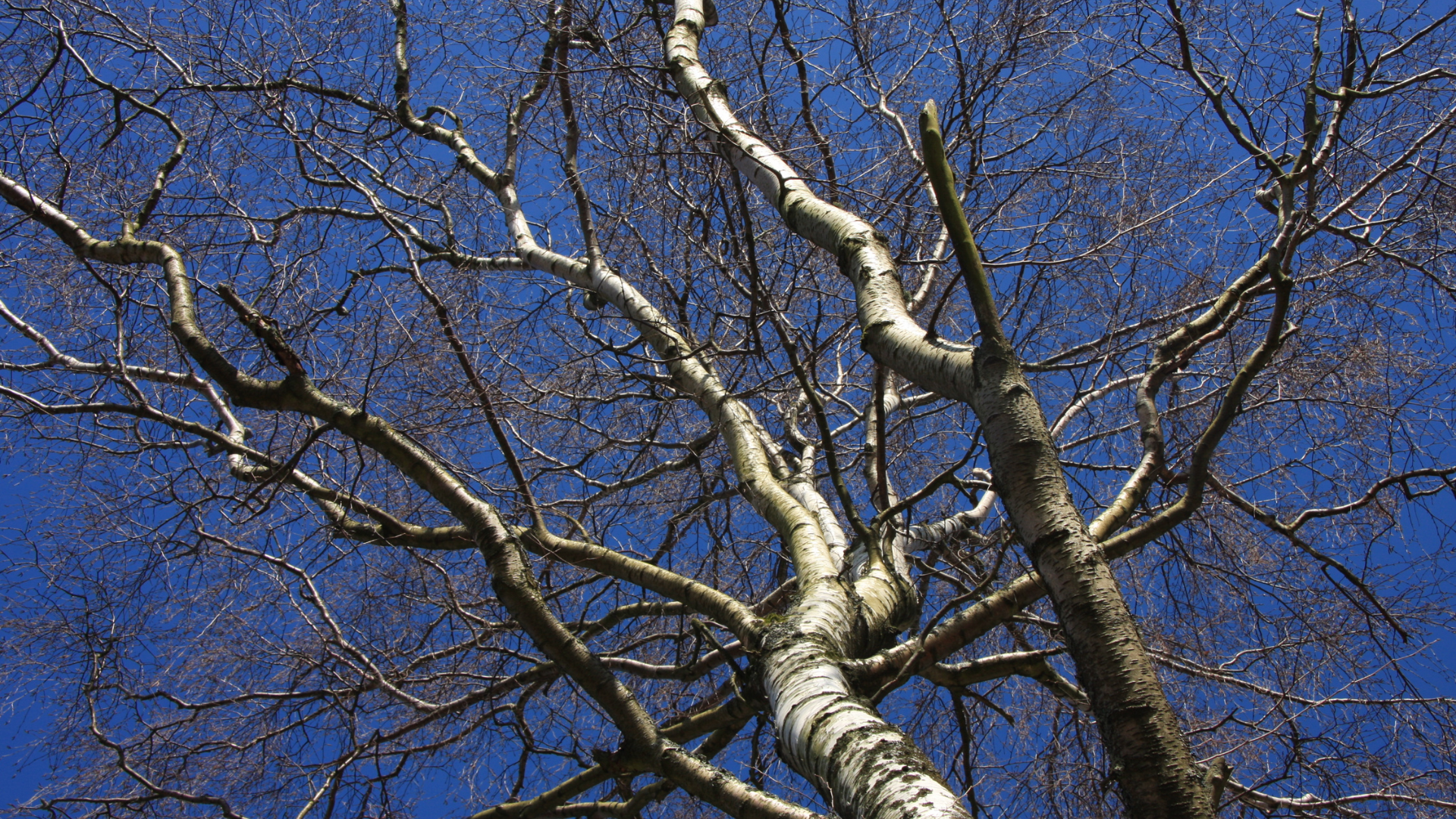
Overcrowded canopies trap moisture and limit sunlight, creating ideal conditions for fungal growth and pests.
Canopy thinning:
- Improves airflow
- Reduces disease risk
- Lowers wind resistance
- Helps leaves receive adequate sunlight
This technique is especially important during Napa’s wet seasons.
Prune for Structural Strength
Young and mature trees benefit from pruning that encourages strong branch attachments.
Structural pruning:
- Removes weak or crossing branches
- Encourages balanced growth
- Reduces stress on heavy limbs
- Prevents future breakage
Early corrective pruning helps trees develop stable frameworks that last a lifetime.
Timing Matters — When to Prune
Knowing when to prune is just as important as knowing how.
- Dormant season (late fall–winter): Ideal for most pruning
- After flowering: Best for certain ornamental trees
- Avoid heavy pruning during peak growth periods unless necessary for safety
A professional arborist can determine the best timing based on tree species and condition.
Why Hire a Professional Arborist
DIY pruning often leads to:
- Improper cuts
- Excessive removal
- Increased disease risk
- Long-term structural damage
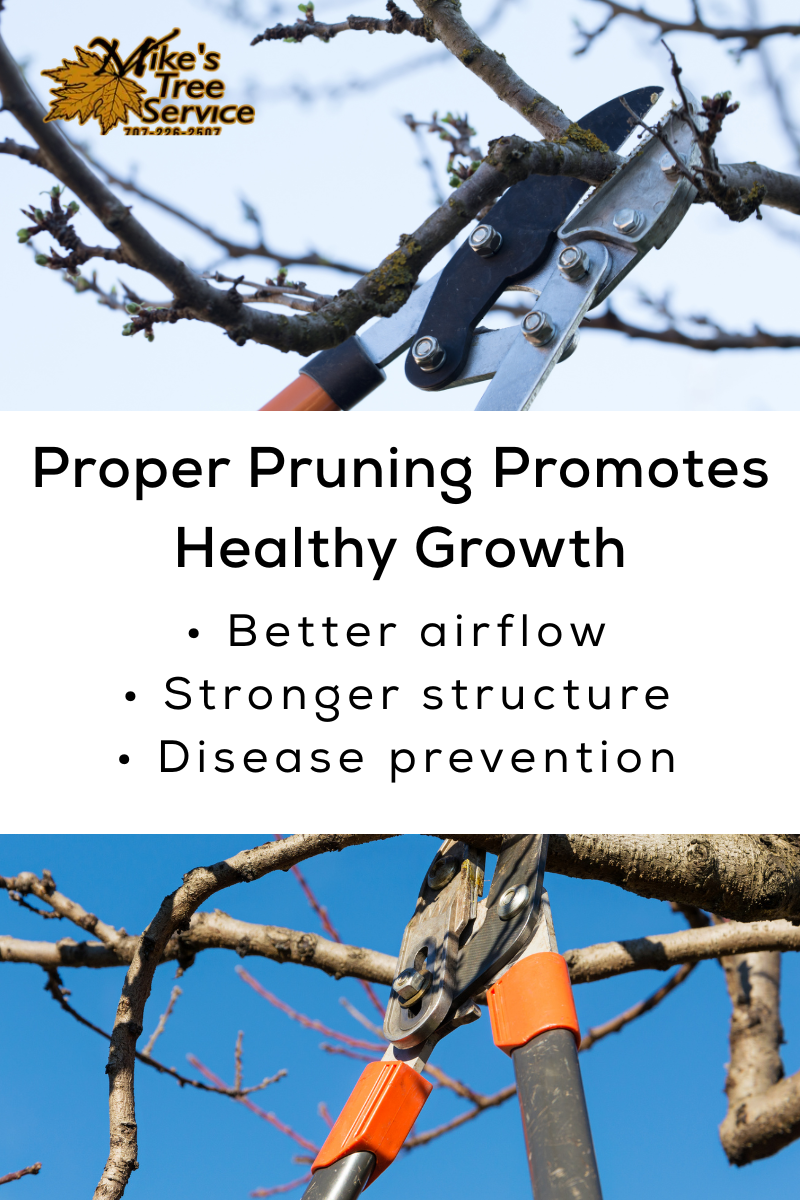
Professional arborists use proper tools, clean cuts, and industry-standard techniques to protect the tree while encouraging healthy growth.

Final Thoughts
Pruning is one of the most important investments you can make in your trees. With the right techniques and timing, trees grow stronger, healthier, and safer over time.