Fall Tree Trimming vs Spring Tree Trimming: What Napa Valley Property Owners Need to Know Before Scheduling
For Napa Valley property owners, the question is not simply whether fall or spring is the "best" time to trim a tree. The better question is what species you have, what the tree needs, and what problem you are trying to solve. Deadwood over a driveway should not wait for the perfect pruning season. A healthy deciduous tree that needs structural work may benefit from a dormant-season schedule. A fruit tree or native oak may need a completely different window.
At Mike's Tree Service, we approach
tree trimming in Napa, CA by matching the timing to the tree instead of putting every species on the same calendar. September is especially useful because summer stress is still visible, wildfire season is not necessarily over, and property owners have time to identify weak branches before winter rain and wind become more important.

Why September 2026 Is a Planning Month, Not a Universal Pruning Month
NOAA's Climate Prediction Center currently favors above-normal September temperatures across much of the western United States. Its September 2026 outlook also notes that El Niño has continued strengthening as fall approaches. For Napa Valley, that means September may still behave more like late summer than the cool, dormant conditions homeowners picture when they hear "fall pruning."
That matters because a heat- or drought-stressed tree does not automatically benefit from aggressive live-canopy removal. September is often a better time to walk the property, identify deadwood and structural problems, decide what needs immediate safety work, and schedule species-appropriate pruning for the correct window.
Use September to answer these questions:
- Is any dead or broken wood hanging over a structure, road, vineyard row, or parking area?
- Did the canopy thin or scorch unusually during summer?
- Are branches rubbing, crossing, or carrying too much end weight?
- Is the tree deciduous, evergreen, fruiting, or a native oak?
- Can the work wait until dormancy, or does a hazard need attention now?
Mike's Tree Service also recommends trimming before Napa Valley's winter storm season when weak, overextended, or unbalanced branches create avoidable risk.
Fall vs Spring Tree Trimming: The Practical Difference
"Fall" covers several very different tree conditions. September may still be hot and dry, while late fall can bring leaf drop and the beginning of dormancy. Spring also changes quickly, from pre-bud dormancy to active growth.
Fall vs. Spring at a Glance
| Question | Fall Trimming | Spring Trimming |
|---|---|---|
| Best use | Hazard cleanup, storm preparation, selected dormant work | Dormant structural pruning before growth, species-specific maintenance |
| September timing | Often still warm and dry | Not applicable |
| Canopy visibility | Improves after leaf drop | Excellent before bud break |
| Growth response | Depends on whether tree is still active or dormant | Can support strong new growth after dormancy |
| Main caution | Do not assume September equals dormancy | Do not wait until active growth if species is better pruned dormant |
| Best decision basis | Species, condition, safety need | Species, bud stage, pruning goal |
For many Napa properties, the choice is not "fall or spring forever." The tree may need limited safety work in fall and planned structural pruning later.
When Fall Trimming Makes More Sense
Fall is useful when the main goal is reducing an existing hazard before winter weather. At Mike's Tree Service, we identify pre-storm-season trimming as an important maintenance window for removing weak, overextended, or unbalanced branches before heavy rain and wind.
Fall trimming may make sense when:
- Dead limbs are hanging over occupied areas
- A branch cracked during summer
- The canopy is heavily weighted on one side
- Branches are contacting roofs or structures
- Fire-risk deadwood still needs removal
- The tree has entered dormancy and its species is appropriate for dormant pruning
For
fall tree trimming in Sonoma County, CA, Napa, Kenwood, or Glen Ellen, the important distinction is between selective safety pruning and aggressive canopy reduction. A stressed tree should not lose healthy foliage simply because the calendar says September.
When Spring Trimming Makes More Sense
Early spring can be one of the best windows for many deciduous trees because the branch structure remains visible before the canopy fills in. We note that this timing allows structural issues to be identified before the next season's growth begins, and UC Master Gardener guidance similarly notes that dormant pruning makes structural problems easier to see.
Spring may be the better choice when:
- A deciduous tree needs structural pruning
- You want to correct crossing or poorly placed branches before leaf-out
- The tree was too drought-stressed for unnecessary late-summer pruning
- No immediate hazard requires fall work
- The species responds well to late-winter or early-spring pruning
Our early spring pruning guide for Napa Valley explains how dormancy improves branch visibility and gives property owners a cleaner opportunity to address structure before growth resumes.
The Species Matters More Than the Season Name
A More Useful Species-Based Schedule
| Tree Type | Typical Scheduling Approach | Important Exception or Goal |
|---|---|---|
| Deciduous shade trees | Dormant period through early spring often works well | Hazardous deadwood can be removed sooner |
| Native oaks | Use species- and disease-aware timing | Avoid treating every oak like a generic shade tree |
| Apples, pears, plums | Often receive dormant winter pruning | Amount removed depends on species and fruiting wood |
| Peaches and nectarines | Usually need more annual pruning than apples or pears | Dormant pruning can stimulate vigorous growth |
| Apricots and cherries | Often better pruned in dry summer conditions | Wet-season wounds can increase disease risk |
| Evergreen landscape trees | Species-specific | Many need less routine pruning than homeowners expect |
| Any storm-damaged tree | Safety takes priority | Broken or hanging limbs should not wait for a calendar window |
For native oaks, use Our Napa Valley oak care guide rather than a generic seasonal rule. UC guidance is especially useful for fruit trees. UC Master Gardeners notes that most deciduous fruit trees are commonly pruned during dormancy, while apricots are an important exception because wet pruning wounds can increase disease risk. Other UC guidance similarly recommends late-summer pruning for apricot and cherry in California.
A Real-Life Checklist Before You Schedule Tree Trimming
Before requesting an estimate:
- Identify the tree species if you know it.
- Take photos of the full canopy and the problem branch.
- Mark branches touching the roof, fence, driveway, or utility area.
- Decide whether the goal is safety, structure, clearance, fruit production, or size control.
- Ask how much live canopy the proposed work removes.
- Ask whether the work should happen now or at a later species-specific window.
One of the best questions to ask is: "What happens if we wait until the better pruning season?"
If the answer is that a cracked limb could fail over a patio, the work should not wait. If the answer is simply that the tree will look overgrown for a few more months, postponing may be better for the tree.
When You Should Ignore the Calendar and Act Now
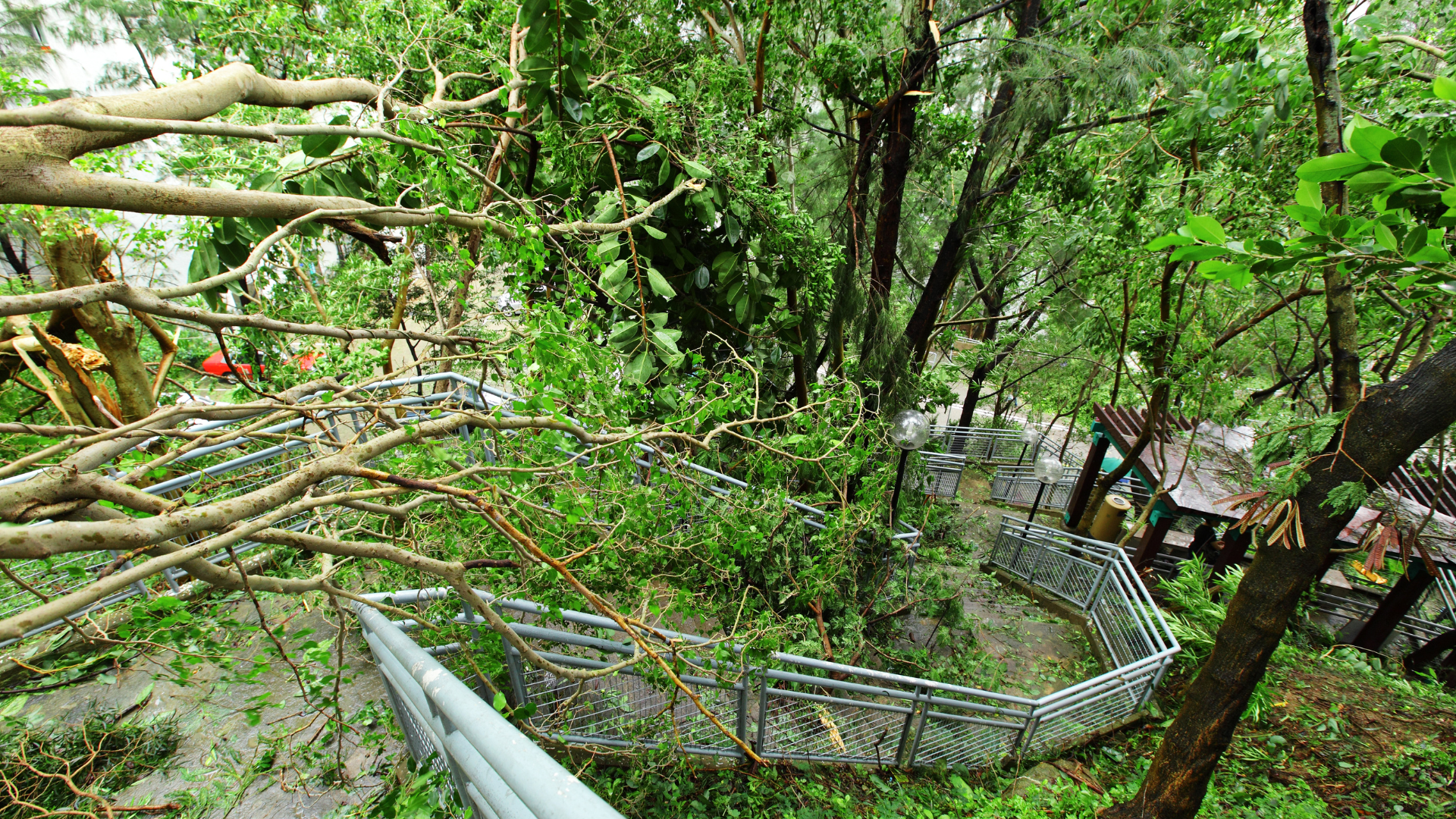
Our article on the dangers of untrimmed trees explains how dead, weak, rubbing, and overextended branches can become more serious during wind and storms.
Schedule prompt evaluation when:
- A limb is cracked or partially detached
- Deadwood is hanging above a home, parking area, road, or play space
- A major branch changed position
- The trunk or a large union has developed a split
- Roots lifted after wind or soil movement
- The canopy has rapid, uneven dieback
For
seasonal tree trimming in Glen Ellen, CA or Sonoma, the same rule applies: healthy structural pruning can wait for the right biological window, but an active hazard should not.
What Does Tree Trimming Cost in Napa Valley?
For estimated planning context, tree trimming can range from a few hundred dollars for smaller jobs to more than $1,000 for extensive work. This broad average range can vary significantly based on tree size, location, access, complexity, proximity to structures or power lines, and whether specialized climbing or equipment is required.
At Mike's Tree Service, we price the actual project after looking at the tree, the work being requested, the surrounding property, and the safest way to complete it. Two trees of similar height can require very different amounts of labor when one is in an open yard and the other is over a roof, pool, vineyard, driveway, or utility area.
What Changes the Tree Trimming Cost?
| Cost Factor | Why It Matters |
|---|---|
| Tree height and canopy size | Larger trees usually require more labor, equipment, and controlled lowering |
| Amount of pruning | Deadwood removal is different from structural pruning or significant clearance work |
| Access | Hillsides, fences, vineyards, pools, and narrow yards affect setup and equipment access |
| Proximity to structures | Roofs, vehicles, utilities, and neighboring property require tighter control |
| Tree condition | Dead, cracked, or unstable limbs can require specialized rigging and additional precautions |
| Species | Different trees require different pruning strategies and seasonal timing |
| Cleanup volume | More removed material means more processing, hauling, and site cleanup |
| Number of trees | Multiple trees can change mobilization and overall project efficiency |
Practical cost tip: compare the scope before comparing the final number. Ask what branches or canopy zones will be addressed, whether cleanup and hauling are included, what equipment is expected, and whether the recommendation is safety pruning, structural pruning, clearance, or general thinning.
A lower estimate is not automatically the better value if it removes the wrong branches, overlooks a hazard, or creates unnecessary stress on the tree. We want the estimate to explain what the pruning is meant to accomplish and why that amount of work is appropriate.
Frequently Asked Questions
Is fall or spring better for tree trimming in Napa Valley?
Neither season is automatically better for every tree. Fall is useful for storm preparation, hazard removal, and selected dormant work. Early spring can be excellent for structural pruning on many deciduous trees before bud break. Species and pruning goal should decide the schedule.
Should I trim a drought-stressed tree in September?
Not aggressively unless safety requires it. September 2026 is expected to remain warmer than normal across much of the West, so a tree still recovering from summer stress may benefit more from assessment, deadwood removal where necessary, and delayed structural pruning.
When should native oaks be trimmed in Napa Valley?
Native oaks need species-specific timing because disease risk, drought stress, and pruning intensity matter. Avoid using a generic "fall is best" rule. An arborist familiar with Napa Valley oaks should set the pruning window after evaluating the tree.
Can dead branches be trimmed outside the ideal season?
Yes. Dead, broken, or hazardous branches can require attention whenever they create a safety problem. The ideal timing for routine live-canopy pruning should not be used as a reason to leave an active hazard in place.
How often should mature trees be trimmed?
There is no universal annual schedule. Some fast-growing or high-maintenance species need more frequent attention, while mature oaks may go years between significant pruning. Mike's Tree Service's guide to Napa Valley trees that require frequent trimming explains why species and site conditions should determine frequency.
Schedule the Work for the Tree, Not Just the Calendar
The most useful way to compare fall vs. spring tree trimming in Napa Valley is to separate immediate safety work from routine biological pruning. September is a strong inspection and planning month. Late fall, winter dormancy, early spring, or even summer may be the better cutting window depending on species and purpose.
If you need tree trimming in Sonoma, CA, a pruning schedule in Kenwood, seasonal tree care in Glen Ellen, or help from an arborist in Napa Valley, we can evaluate the tree, explain what should be handled now, and identify what can safely wait for a better pruning window.
Tree Trimming in Napa CA
Tree Trimming in Napa Valley
Early Spring Pruning for Deciduous Trees
Preparing Trees for Napa's Rainy Season
Contact Mike's Tree Service