Common Tree Diseases in Winter
Common Tree Diseases in Winter — What Napa Homeowners Need to Know
When winter’s chill arrives in Napa Valley, many homeowners think trees go dormant and are safe from disease — but that’s not always true. Some tree diseases thrive in cooler weather or become more obvious when leaves are gone and structure is exposed. Understanding common winter tree diseases helps you protect your landscape before costly damage happens.
At Mike’s Tree Service, we help homeowners identify, prevent, and manage winter tree diseases so trees stay healthy year-round.
Why Tree Diseases Still Matter in Winter
Although many pests slow down when temperatures drop, fungal and bacterial diseases can persist — especially in moist conditions or during Napa’s rainy spells. In winter:
- Leaves drop, making it easier to see damage
- Bark and trunks are exposed to moisture
- Weakened trees are more vulnerable to secondary infections
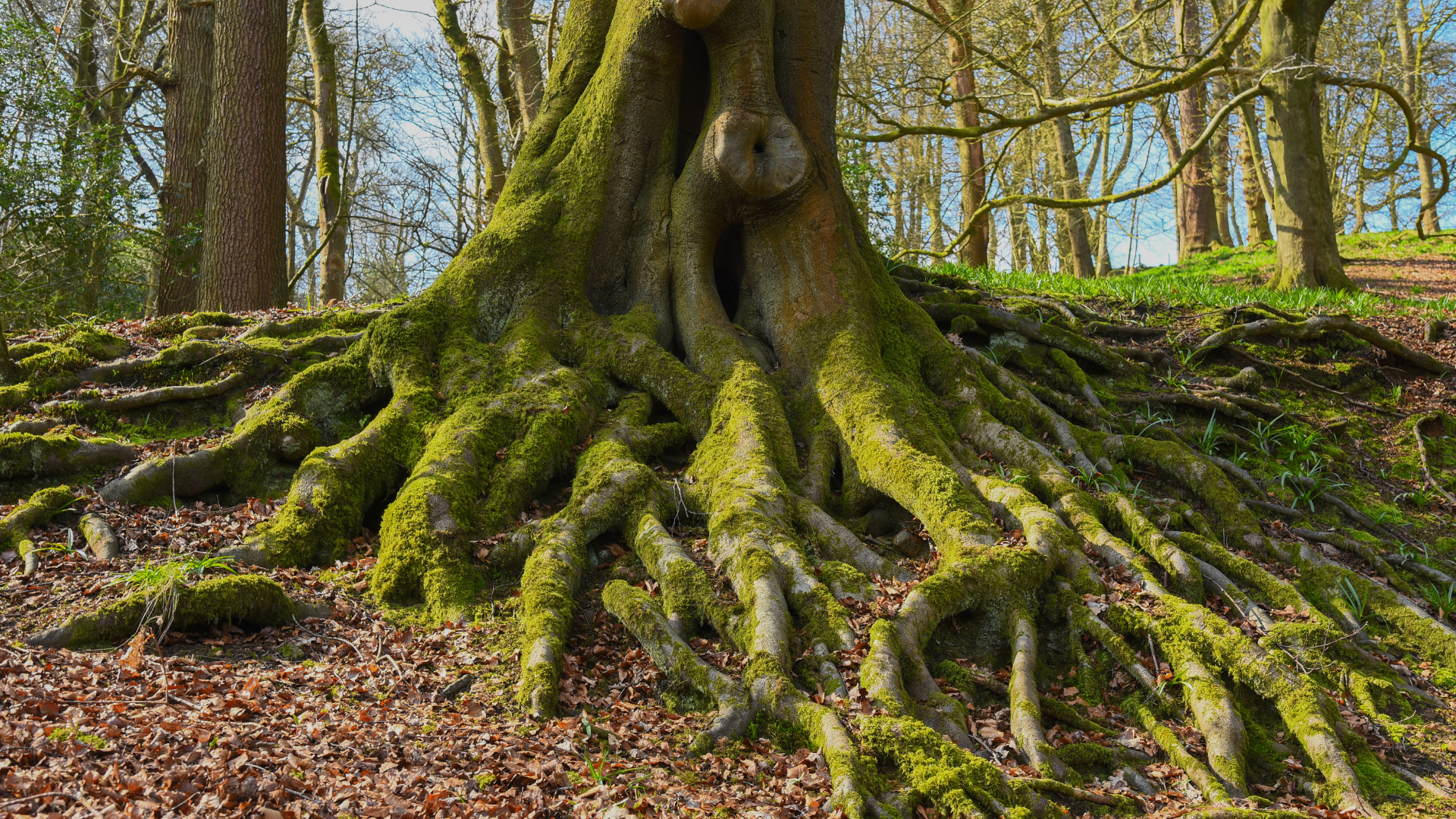
- Root diseases can continue underground
This is one season when preventative inspection and treatment still make a huge difference.
Common Tree Diseases to Watch for in Winter
Here are some diseases and conditions that commonly show up or worsen during winter months:New Paragraph
Fungal Root Rot
This soil-borne disease attacks tree roots, disrupting water and nutrient uptake. Symptoms include:
- Wilting or yellowing foliage before leaf drop
- Slow growth the following spring
- Mushy, discolored roots on inspection
Winter rains increase soil moisture — which can worsen root rot if not addressed.
Canker Diseases
Caused by various fungi or bacteria, cankers create sunken, dead areas on tree bark. Look for:
- Cracks or lesions on trunk and limbs
- Oozing sap or dark, wet spots
- Branch dieback
Cankers weaken structural integrity and often progress during cooler, wet periods.
Leaf Spot Fungi
Although leaves fall, spores can linger on fallen debris and reinfect new growth in spring. Signs include:
- Discolored spots on leaves before they drop
- Premature leaf shedding
- Visible fungal spores on bark or debris
Proper cleanup and sanitation help reduce recurrence.
Powdery Mildew
This disease can persist in cool, moist areas and is noticeable by:
- White or gray powdery coating on leaves or buds
- Stunted growth in spring
- Weak, thin canopy
Even though symptoms may be subtle in winter, early detection helps prevent spring flare-ups.
How to Protect Trees from Disease This Winter
Know what to look for:
- Discolored bark or cracking
- Fungus bodies (mushrooms) at the base
- Dead branches or brittle limbs
- Hidden cavities or soft wood
- Oozing liquids from bark
If you see these signs — even before leafing begins — your tree may need attention.
Signs Your Tree May Be Diseased in Winter
1. Schedule a Professional Inspection
Before the wet season peaks, a certified arborist can assess risk, identify hidden disease, and recommend treatment.
2. Improve Water Management
Standing water or overly soggy soil invites fungal diseases. Proper grading and drainage help.
3. Prune Dead or Weak Branches
Removing compromised limbs reduces disease spread and improves airflow.
4. Clean Up Fallen Debris
Old leaves and infected plant material harbor spores. Winter cleanup reduces reinfection.
When to Call a Professional Tree Care Provider
If you notice unusual symptoms — especially dieback, fungus, or oozing bark — it’s time to call in experts. DIY treatment often misses the root cause and can make problems worse.
At Mike’s Tree Service, we offer:
- Certified tree health inspections
- Disease diagnosis and treatment plans
- Targeted pruning and cleanup
- Preventive care recommendations
Protect your investment and ensure trees thrive come spring.
Final Thoughts